Piracy: It’s the Creative Ecosystem that Matters

“Who has the new album?” asks the lead singer of Finntroll, a rather wonderful Viking Metal band (*).
One of the fans yells out something incomprehensible.
“Oh, you streamed it, did you?” responds the singer. “Well #### you, sir. #### you.”
Which seems fitting, because when you pirate an artist’s work, it feels like you’re saying a big, “#### you!” to the artist.
For that reason alone, can I suggest that you click through to Change.org and sign the petition to ask Google to do something about ebook piracy. If Google can hide results for legal reasons (*), then it can also start hiding the pirate sites.
Of course, my plea opens a can of worms.
Whenever ebook piracy comes up, people leap in to provide (self) justifications ranging from pseudo economic or political victim-blaming through to rhetorical sleight of hand. The same arguments could be used to justify, for example, blatant commercial cultural apparition, big players pirating indy jewelry designs, and the hacking and passing around of the very private pictures of celebs. It’s a pointless debate because really there’s an underlying unspoken, “‘#### you”. (Feel free to discuss this in the comments, but count me out.)
Usually, the pro-piracy advocate then appends, “Besides, anyway, it doesn’t do any harm.” That’s what I want to talk about here, because in all the kerfuffle about ethics, people tend to lose track of the effect on the creative ecosystem.
A post by Joanna Penn spells two arguments: Serious readers prefer to buy books rather than download stolen copies, and some authors use piracy as a marketing strategy. I’ve also heard on good authority that most pirated books aren’t actually lost sales because they are never read – there’s a culture of… odd people hoarding and sharing.
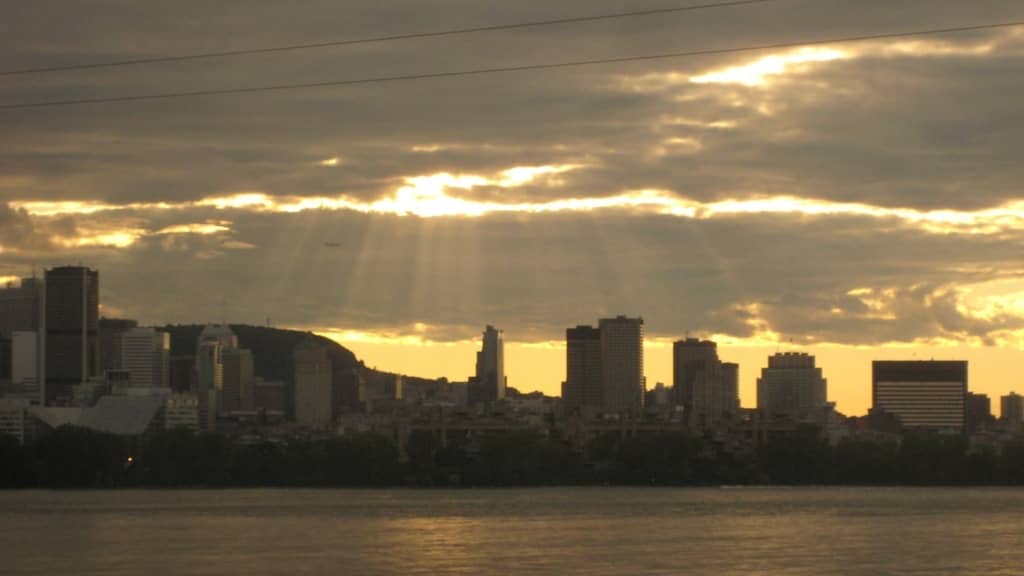
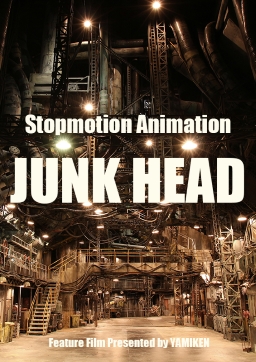 I had two events on my Fantaisa Festival schedule for Monday, July 24. First, I planned to see a stop-motion film from Japan called Junk Head. Then, I’d go to see a presentation by author Grady Hendrix of his book Paperbacks From Hell, about the boom of horror paperbacks in the 70s and 80s. I’d end up speaking briefly with Hendrix after his presentation, which led to my interviewing him for Black Gate; you can see that interview

![a-wizard-s-henchman-hardcover-by-matthew-hughes-[3]-3997-p](https://www.blackgate.com/wp-content/uploads/2017/11/a-wizard-s-henchman-hardcover-by-matthew-hughes-3-3997-p.jpg)