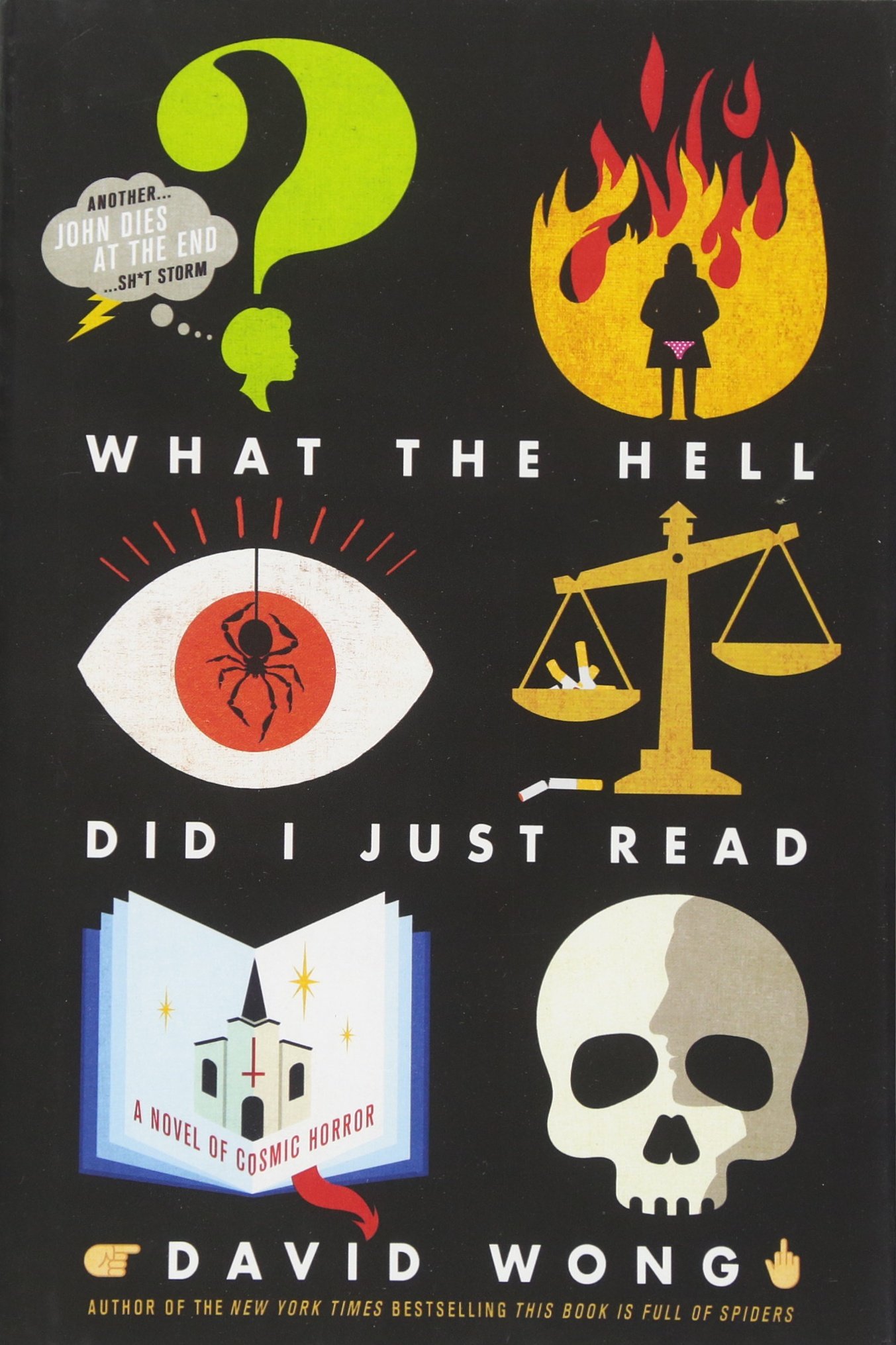
New Treasures: What the Hell Did I Just Read by David Wong
 |
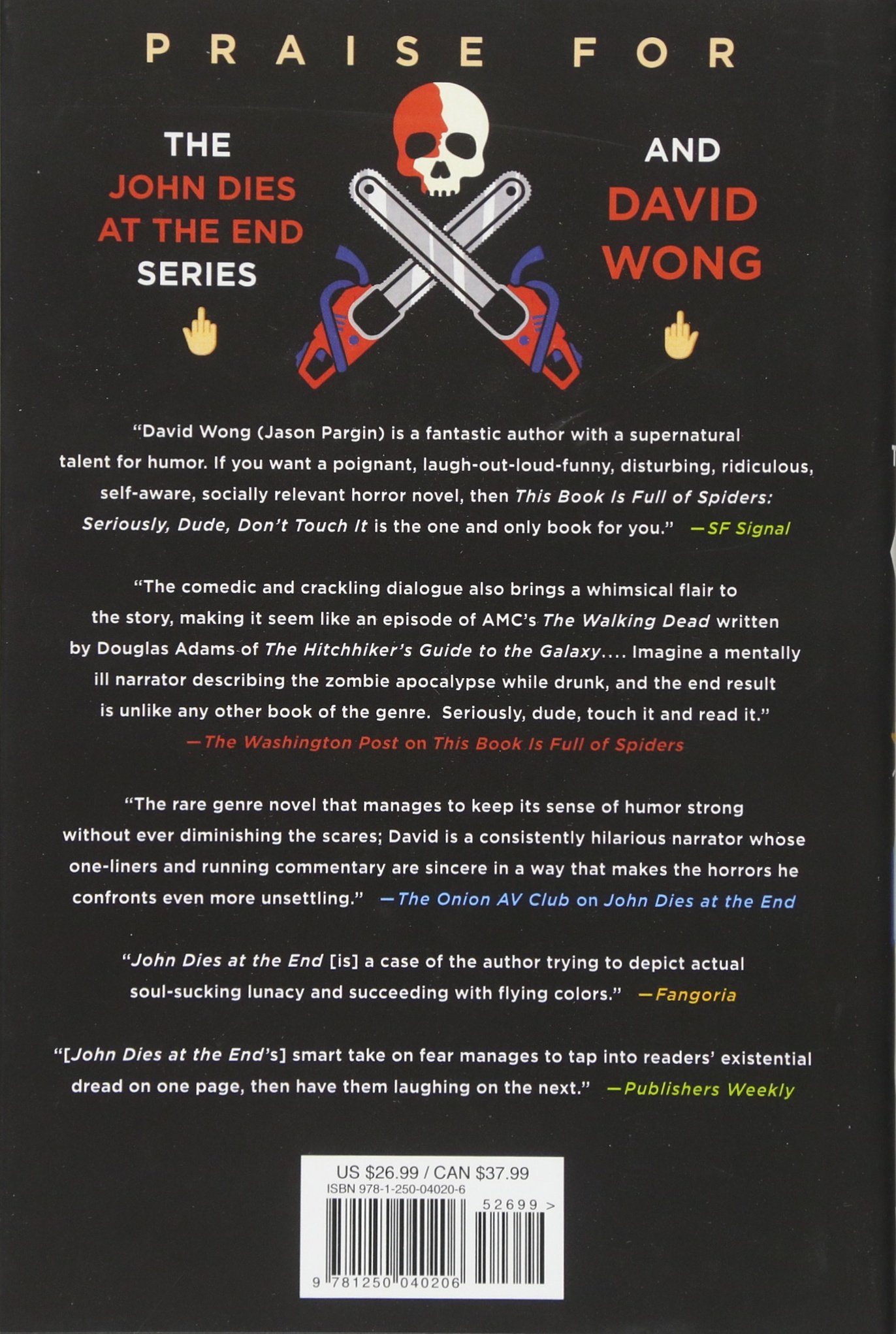 |
Jason Pargin is the Executive Editor of the comedy site Cracked.com. Under the name David Wong he’s published three novels, Futuristic Violence and Fancy Suits (2016) and the bestselling series John Dies at the End (2009) and This Book Is Full of Spiders (2012). Connor Gormley called the first John Dies novel “Ghostbusters With More Swearing and Fewer Crappy Sequels” in his 2014 Black Gate review; the book became a feature film starring Paul Giamatti and Clancy Brown in 2012. What the Hell Did I Just Read: A Novel of Cosmic Horror is the third installment, it was released in hardcover last month. If you’re looking for a novel of cosmic horror and black humor, this is your ticket.
It’s the story “They” don’t want you to read. Though, to be fair, “They” are probably right about this one. To quote the Bible, “Learning the truth can be like loosening a necktie, only to realize it was the only thing keeping your head attached.” No, don’t put the book back on the shelf — it is now your duty to purchase it to prevent others from reading it. Yes, it works with e-books, too, I don’t have time to explain how.
While investigating a fairly straightforward case of a shape-shifting interdimensional child predator, Dave, John and Amy realized there might actually be something weird going on. Together, they navigate a diabolically convoluted maze of illusions, lies, and their own incompetence in an attempt to uncover a terrible truth they — like you — would be better off not knowing.
Your first impulse will be to think that a story this gruesome — and, to be frank, stupid — cannot possibly be true. That is precisely the reaction “They” are hoping for.
What the Hell Did I Just Read: A Novel of Cosmic Horror was published by St. Martin’s Press on October 3, 2017. It is 373 pages, priced at $26.99 in hardcover and $12.99 for the digital edition.