Andrew Liptak on 18 Science Fiction and Fantasy Books to Read in February
 |
 |
 |
Andrew Liptak’s February book selections give you a nice opportunity to be an armchair tourist in some pretty exotic locales (“Visit distant planets, conspiracies, and galactic conflicts!”)
Just as important for diligent book fans, Andrew catches us up with some of the more intriguing ongoing fantasy series. So without further ado, let’s see what he has for us this month.
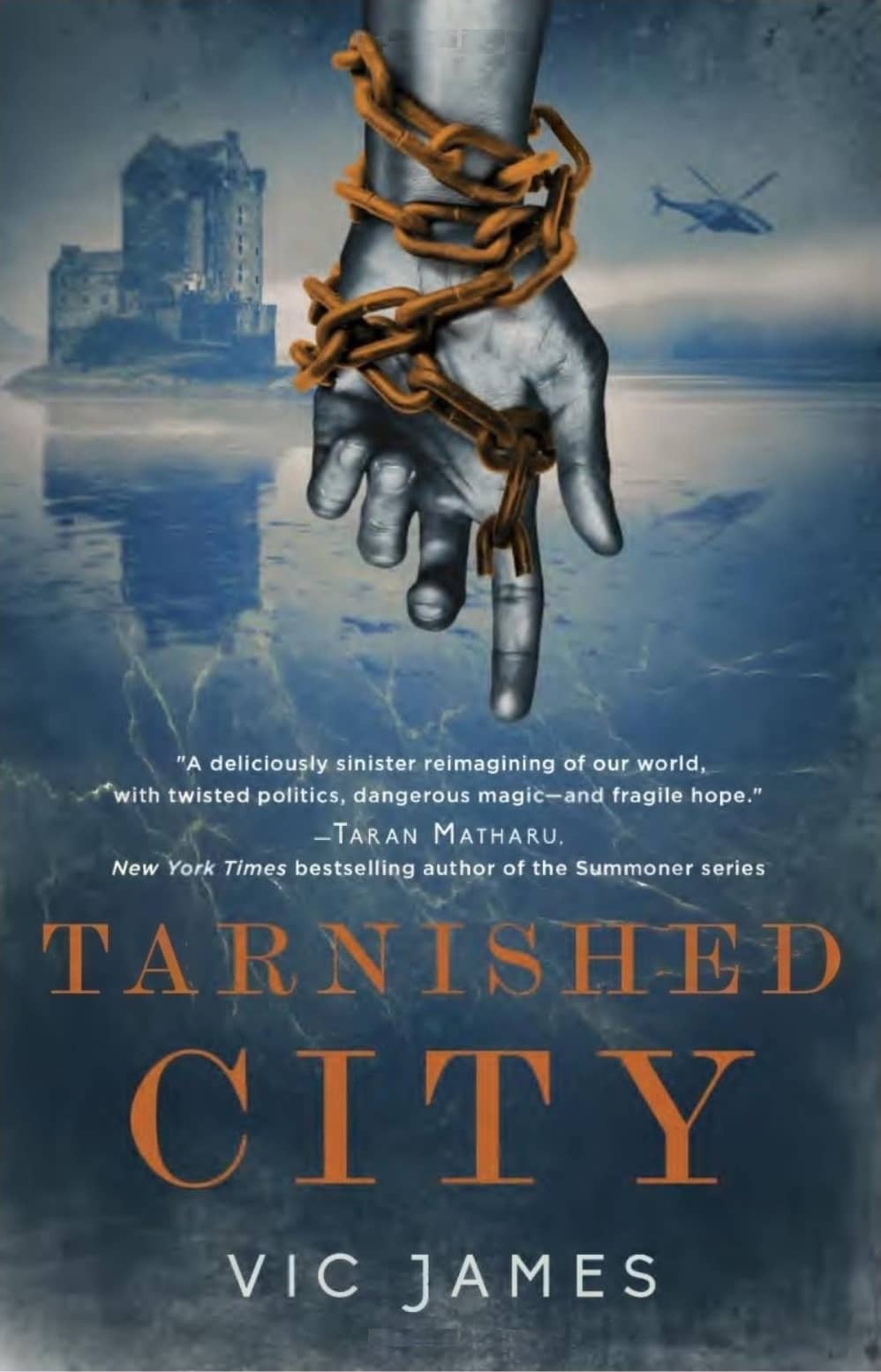
Tarnished City by Vic James ( Del Rey, 416 pages, $25 in hardcover/$10.99 digital, February 6, 2018)
Vic James began her career last year with The Gilded Cage, in which the world belongs to a class of gifted magical aristocrats. In the next installment of her Dark Gifts trilogy, an uprising has been crushed, and protagonist Abi Hadley’s brother Luke has been framed for the murder of Parliament’s Chancellor Zelston. She goes into hiding, and after her brother is condemned to a remote estate, she hatches a plan to save him. Publisher’s Weekly says that readers will “appreciate the multifaceted complexity of James’s world and its lively, determined characters.”
We covered the opening volume, Gilded Cage, back in April.