From Buffalo Castle to Choose Your Own Adventure: The Evolution of Solitaire Board Games
 |
 |
 |
I’m old enough to remember when Choose Your Own Adventure books first appeared in bookstores and supermarkets in the late 70s and early 80s, and what a sensation they created.
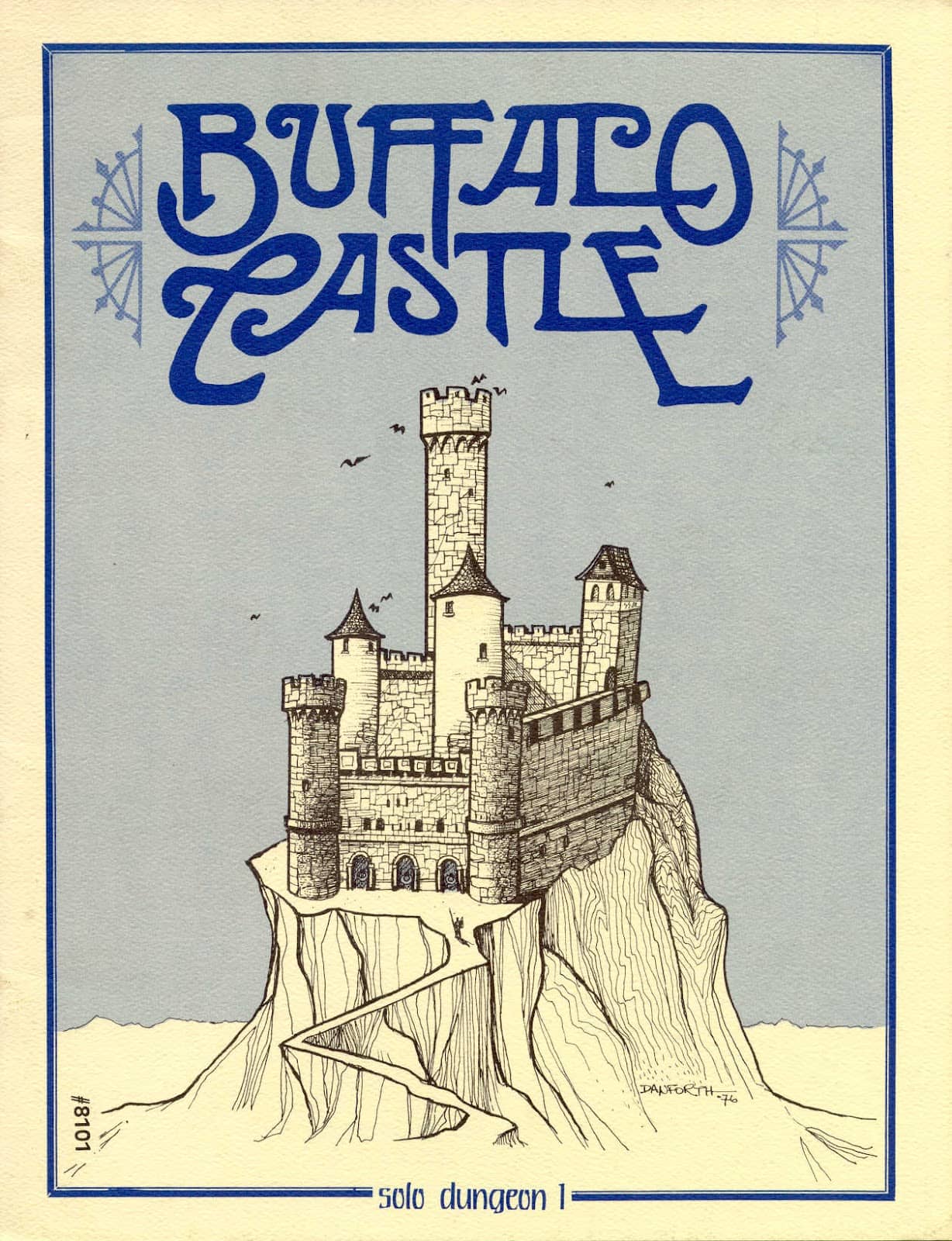
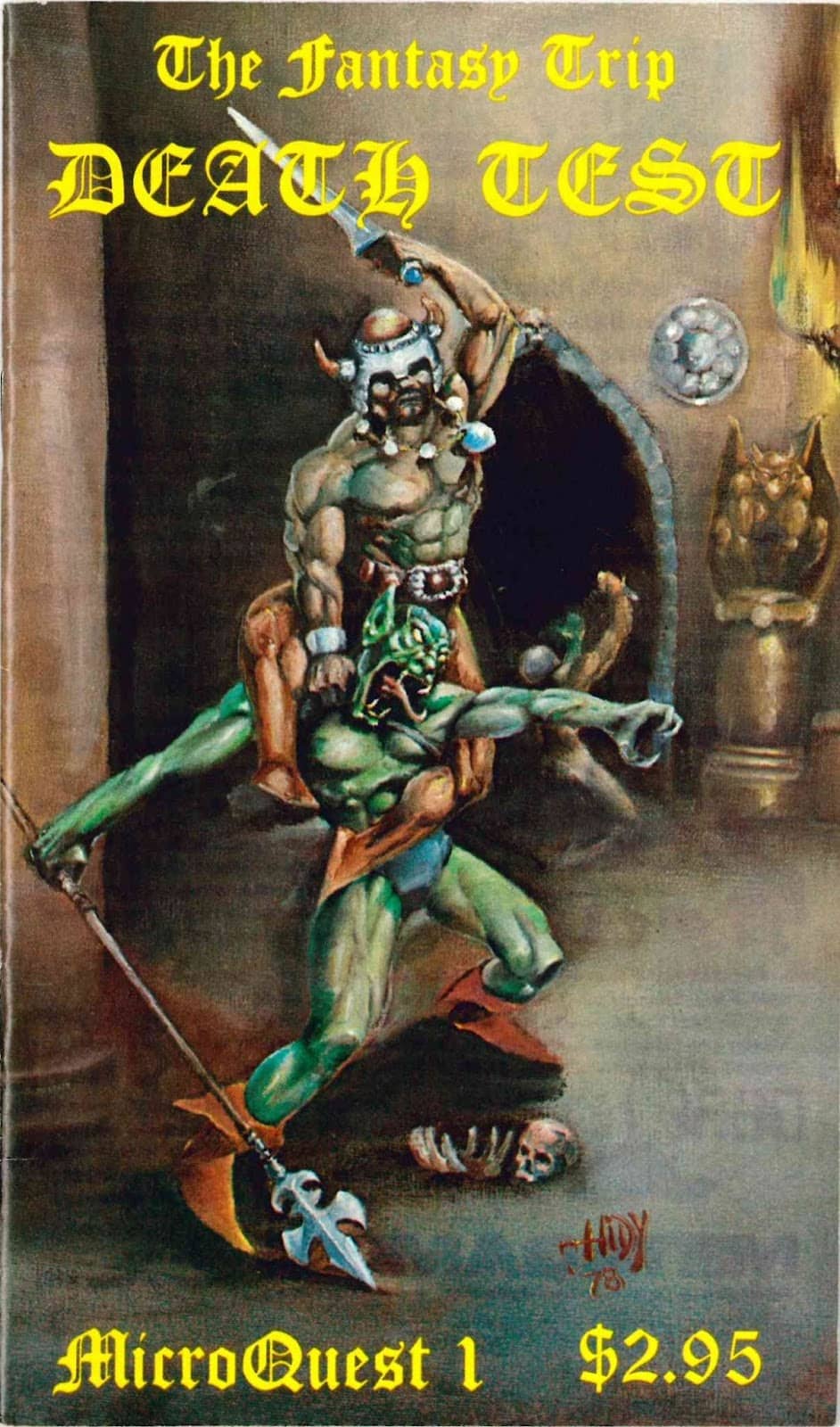
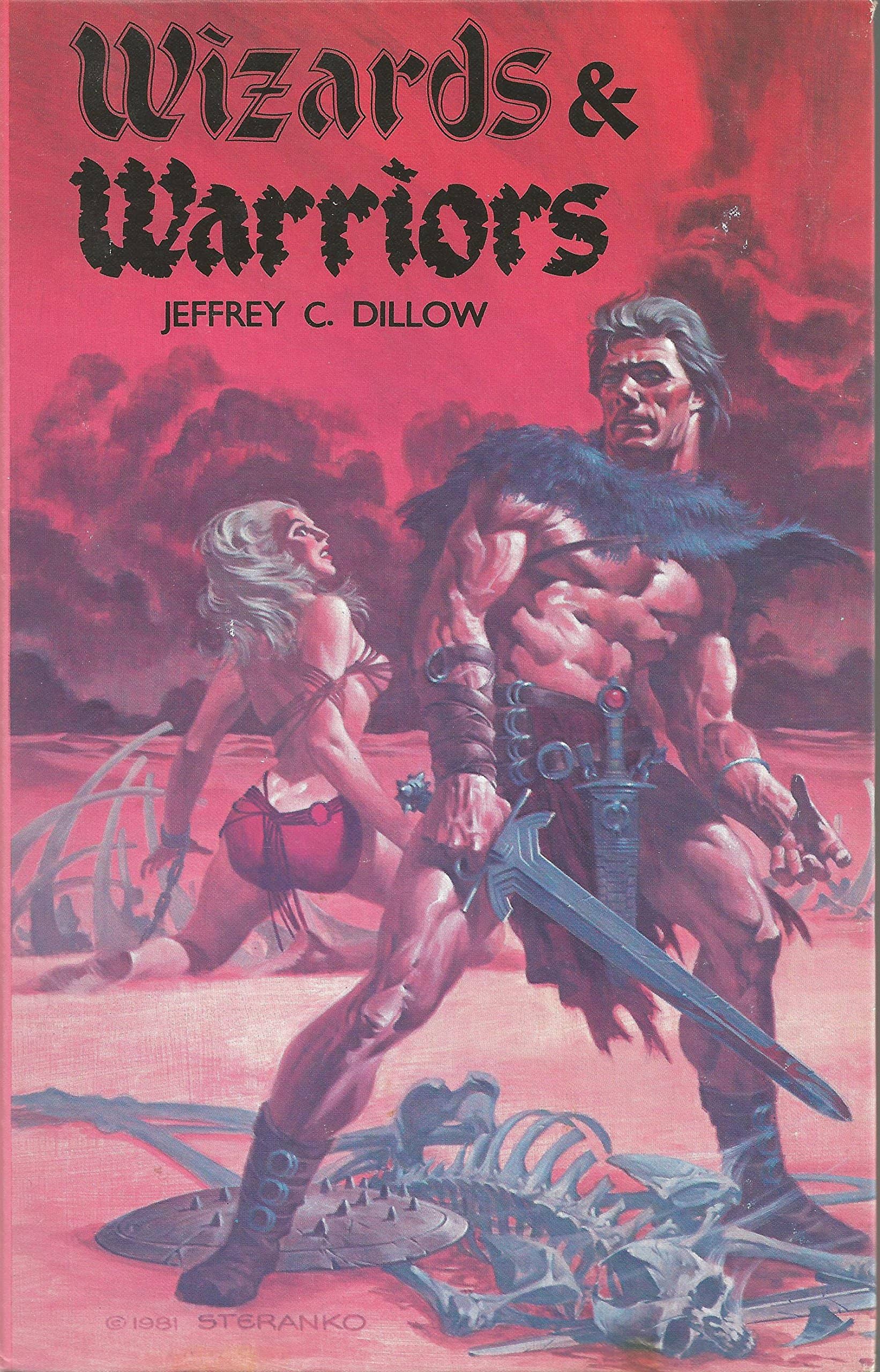
I remember thinking how simplistic they were, especially compared to the more sophisticated solitaire fare already available in gaming stores at the time. Like Rick Loomis’ groundbreaking Buffalo Castle (Flying Buffalo, 1976), the first solo adventure for Tunnels & Trolls (and considered by some to be the first published adventure gamebook, period); Steve Jackson’s bestselling Death Test for The Fantasy Trip (Metagaming, 1978); and especially Jeffrey C. Dillow’s brilliant collection of early solo adventures, Wizards and Warriors (Prentice Hall, 1982), which I played to death and passed around repeatedly to my gaming group.
But there was something powerfully appealing in the very simplicity of Choose Your Own Adventure titles, and it didn’t take long for me to become a convert. I wasn’t the only one. Bantam published its first Choose Your Own Adventure book, The Cave of Time by creator Edward Packard, in 1979, and the series quickly surpassed role playing in popularity, selling more than 250 million copies. That’s more — far more — than virtually any RPG or fantasy or series in history. (For comparison, The Lord of the Rings has sold 150 million copies over the past 70 years, and George R.R. Martin’s Game of Thrones novels a scant 90 million. Only J.K. Rowling’s Harry Potter novels, at 500 million, offer real competition). Bantam produced 184 titles in the series between 1979 and 1998.
Role Playing has evolved and expanded enormously since the 70s. You can’t say the same of Choose Your Own Adventure… but the franchise isn’t as dead as you might think. Most interesting to serious games is a pair of cooperative adventure board games released by Z-Man Games that capture the spirit of the CToA line, and take it in some intriguing new directions.