Dungeon Delving with Colorful Characters: Krosmaster Quest
I’m fascinated by the explosion in dungeon crawl board games. The best of them capture the sense of adventure and social aspects of tabletop role playing better than I would have thought possible. The ones I’ve tried — like the Pathfinder Adventure card game Rise of the Runelords, HeroQuest, Talisman, and Munchkin Quest — have been a blast. But they barely scratch the surface of what’s happening in this dynamic new genre.
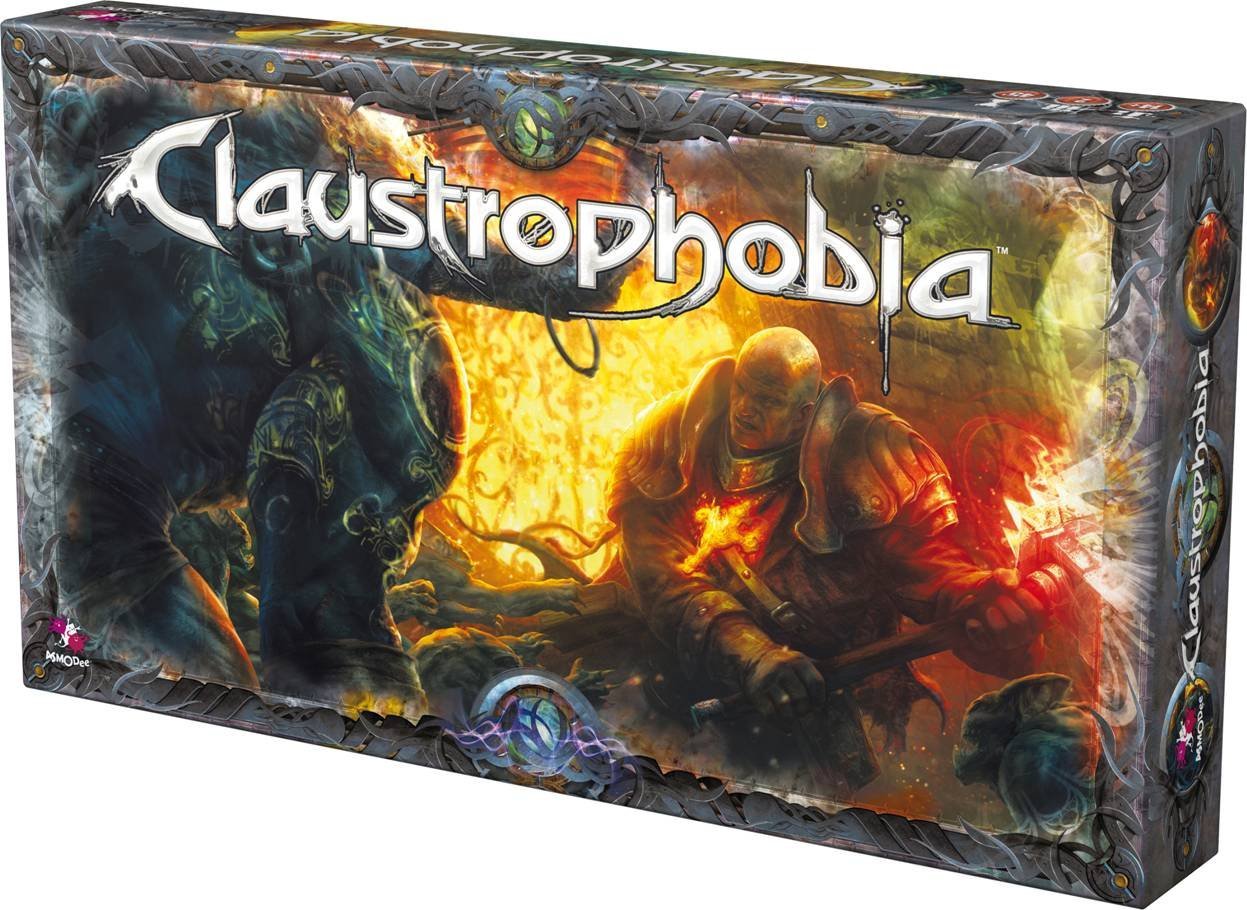
In fact, the subgenre has gotten large enough that it’s starting to innovate in surprising ways. One of them, of course, is with components. I can’t be the only player who’s purchased a $70 board game just to get my hands on the miniatures (Asmodee’s Claustrophobia is the most blatant example — hours after I opened it, all the minis ended up on my D&D table. I’ve never finished a game of Claustrophobia, but the minis have seen countless hours of adventure.)
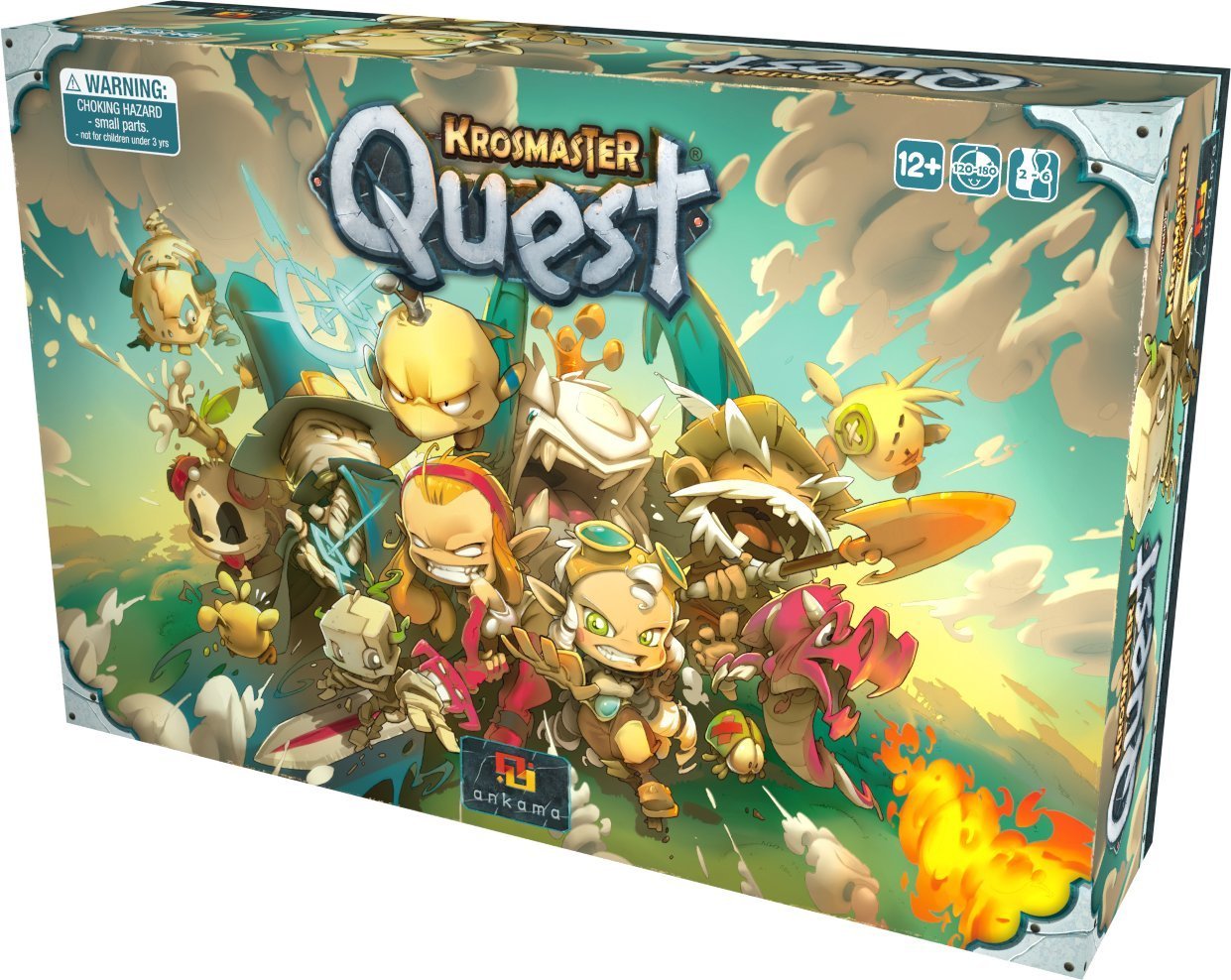
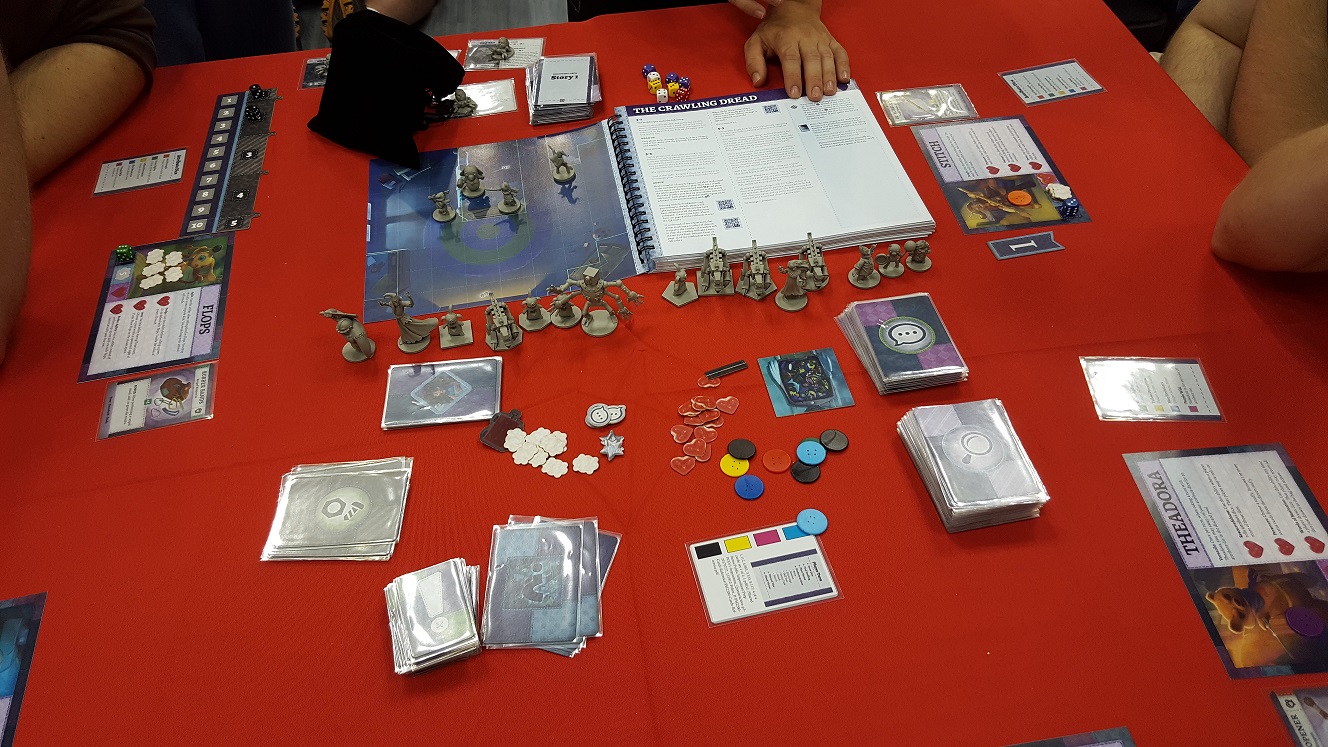
Krosmaster Quest is my most recent acquisition in the dungeon questing space. It’s derived from the hit Krosmaster Arena, the French player-vs-player card game that (among other things) spawned the Netflix anime series Wakfu. Arena is a turn-based arena combat game with a colorful set of cartoon chibi-style miniatures; Krosmaster Quest allows players to re-purpose those minis in a tactical adventure game for 2 to 6 players.

 Traveller Rule 0 is, roughly, “The Referee Can Make S…tuff Up.”