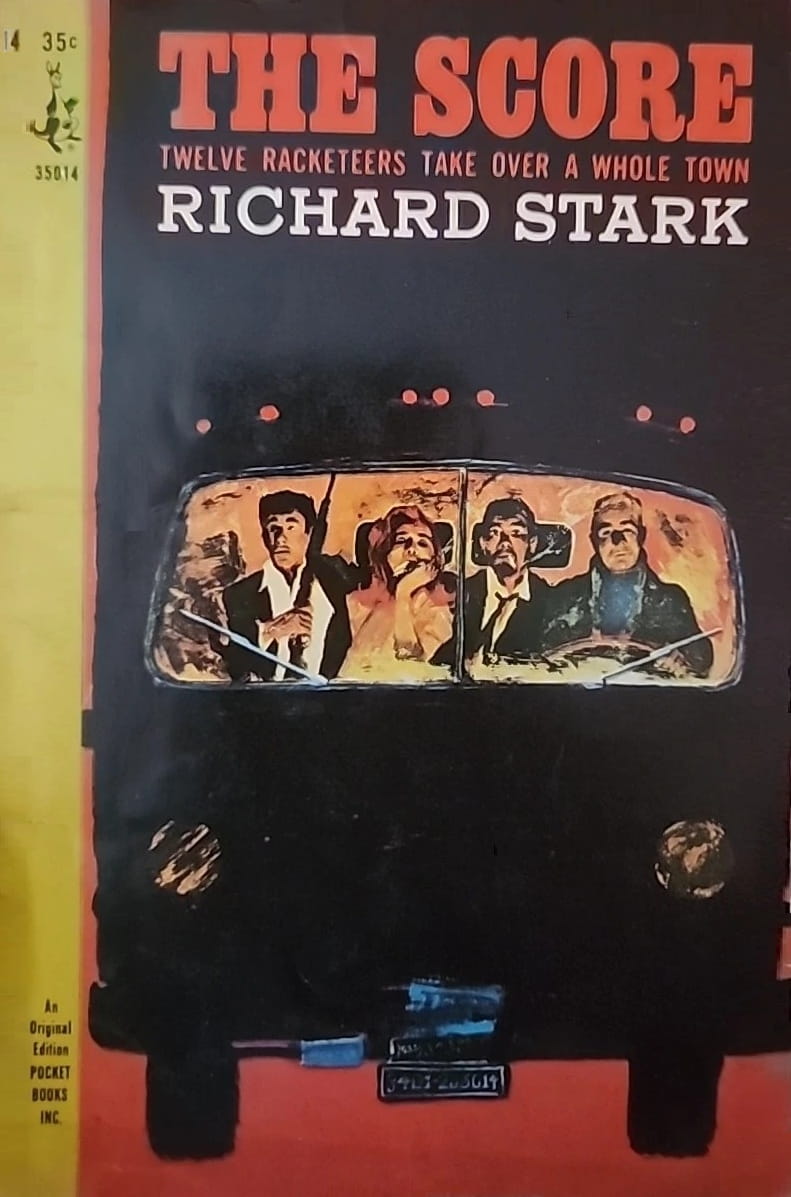
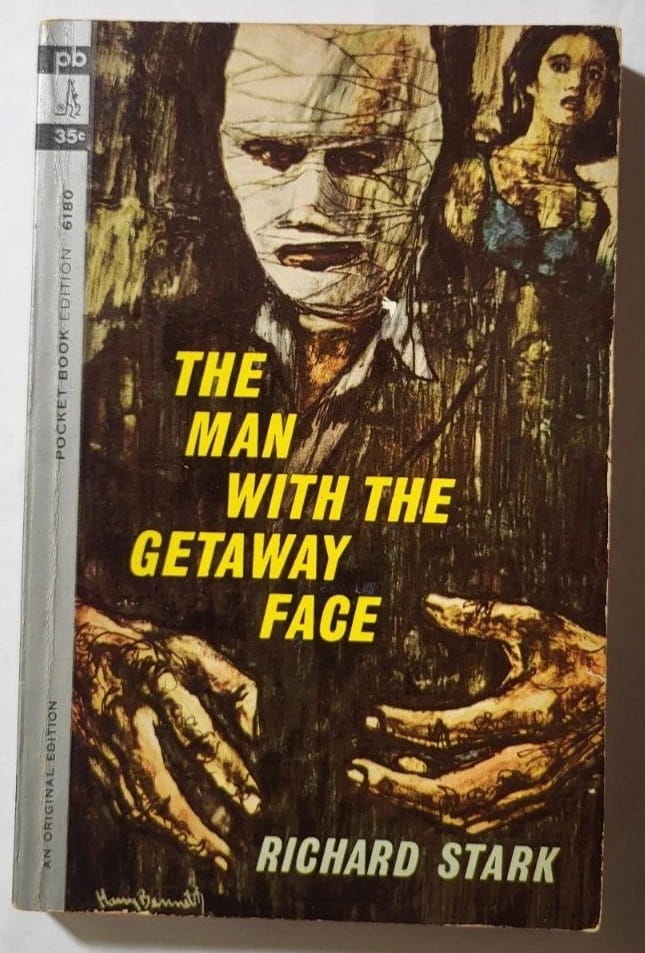
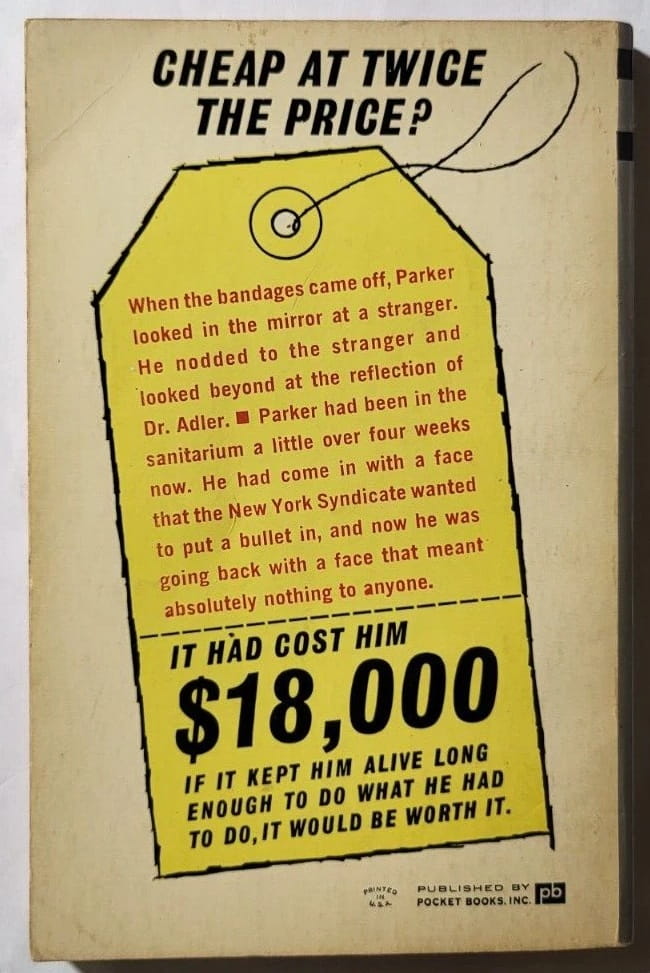
Last time we discussed the character of Parker, Donald E. Westlake’s master thief and heist planner.
This time, we’ll look at why we’re talking about Parker at all, here in the hallowed spaces of this fine magazine.
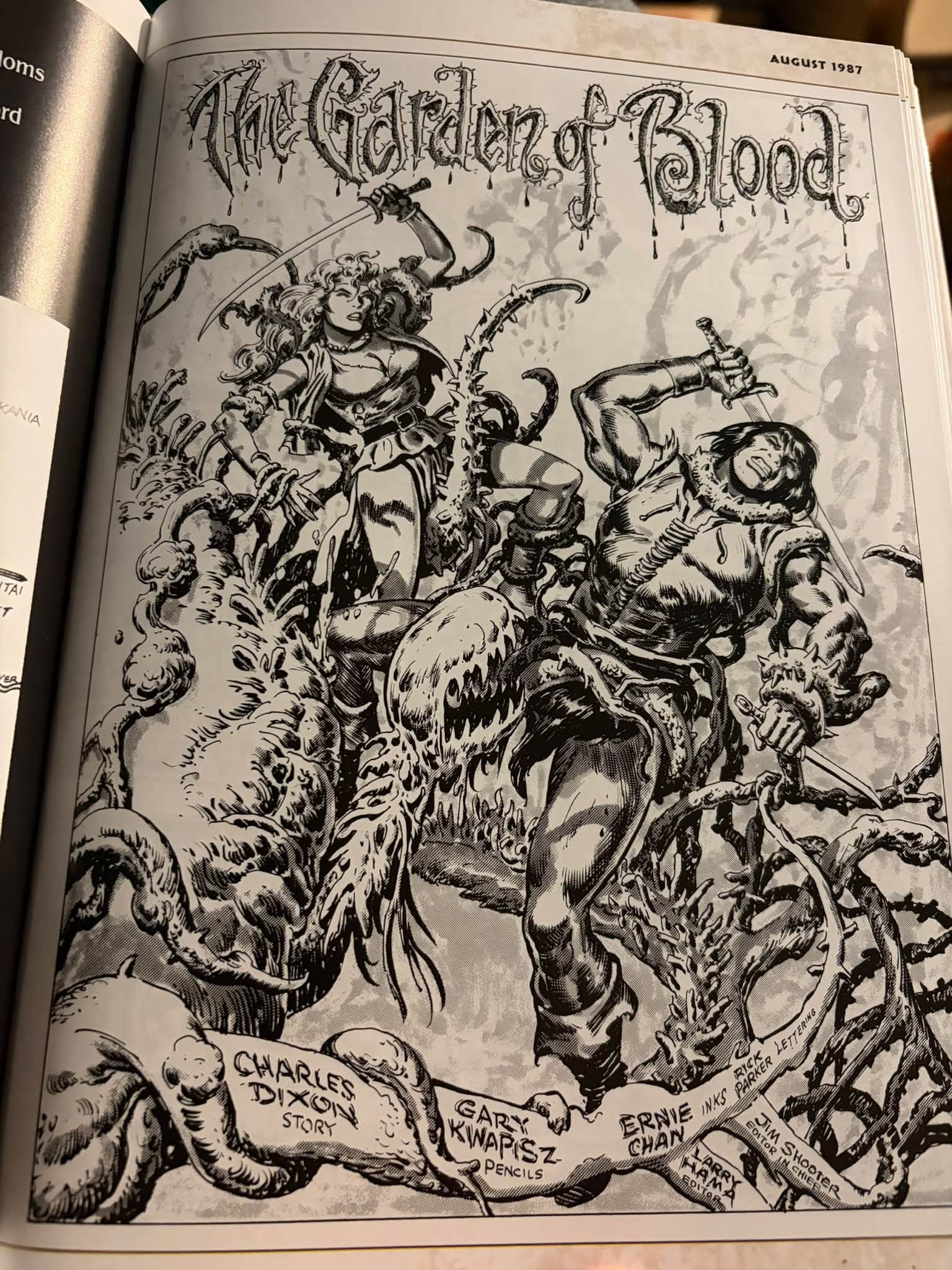
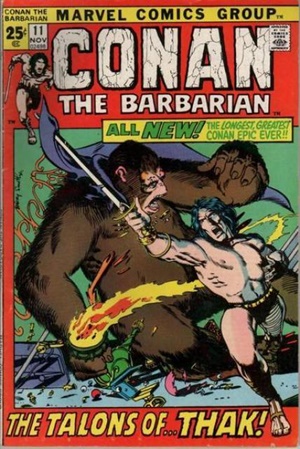
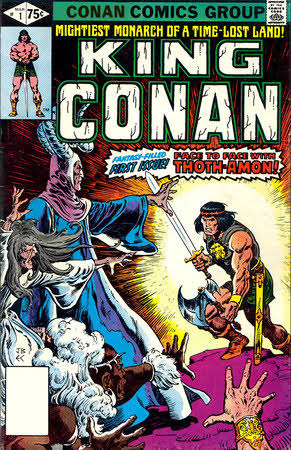
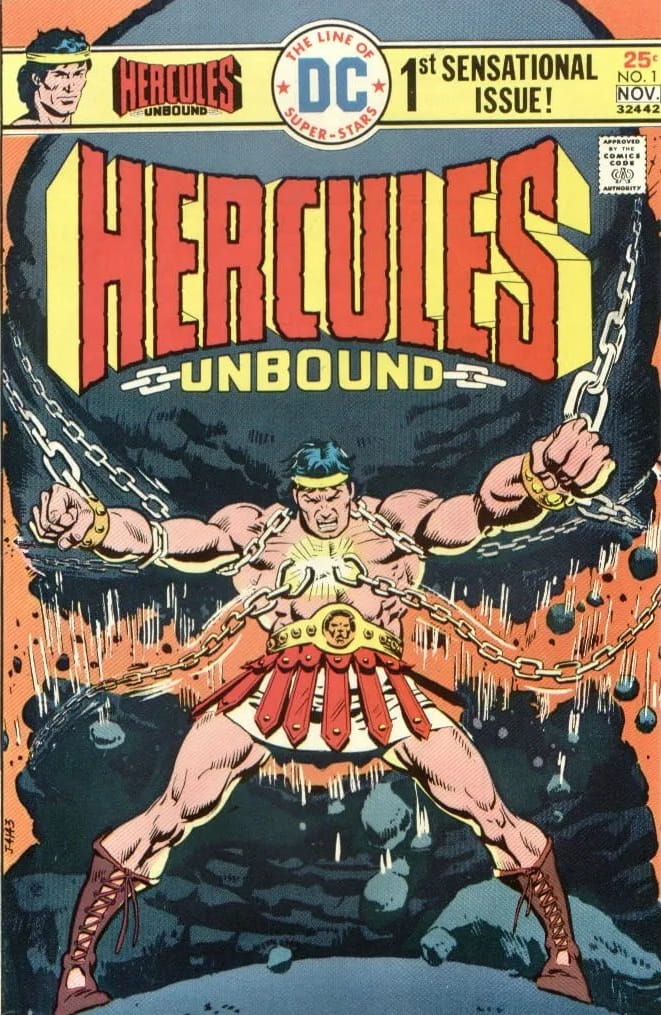
Parker might seem like an odd fit. Allow me, however, to draw some parallels that will help to illustrate how and why the master criminal Parker fits in with classic sword and sorcery characters like Conan the Barbarian. For these two gentlemen have far more in common than one might guess.
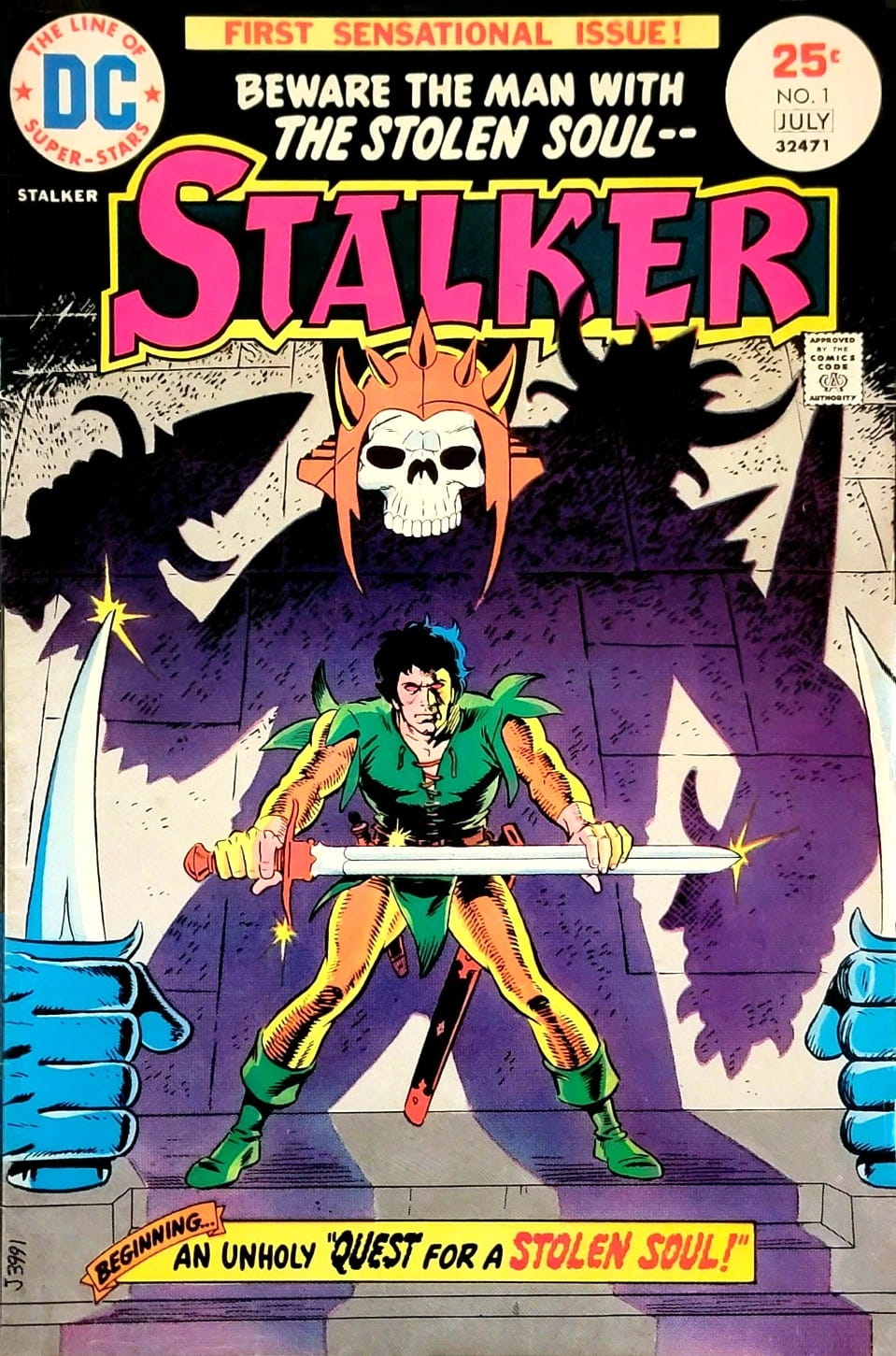
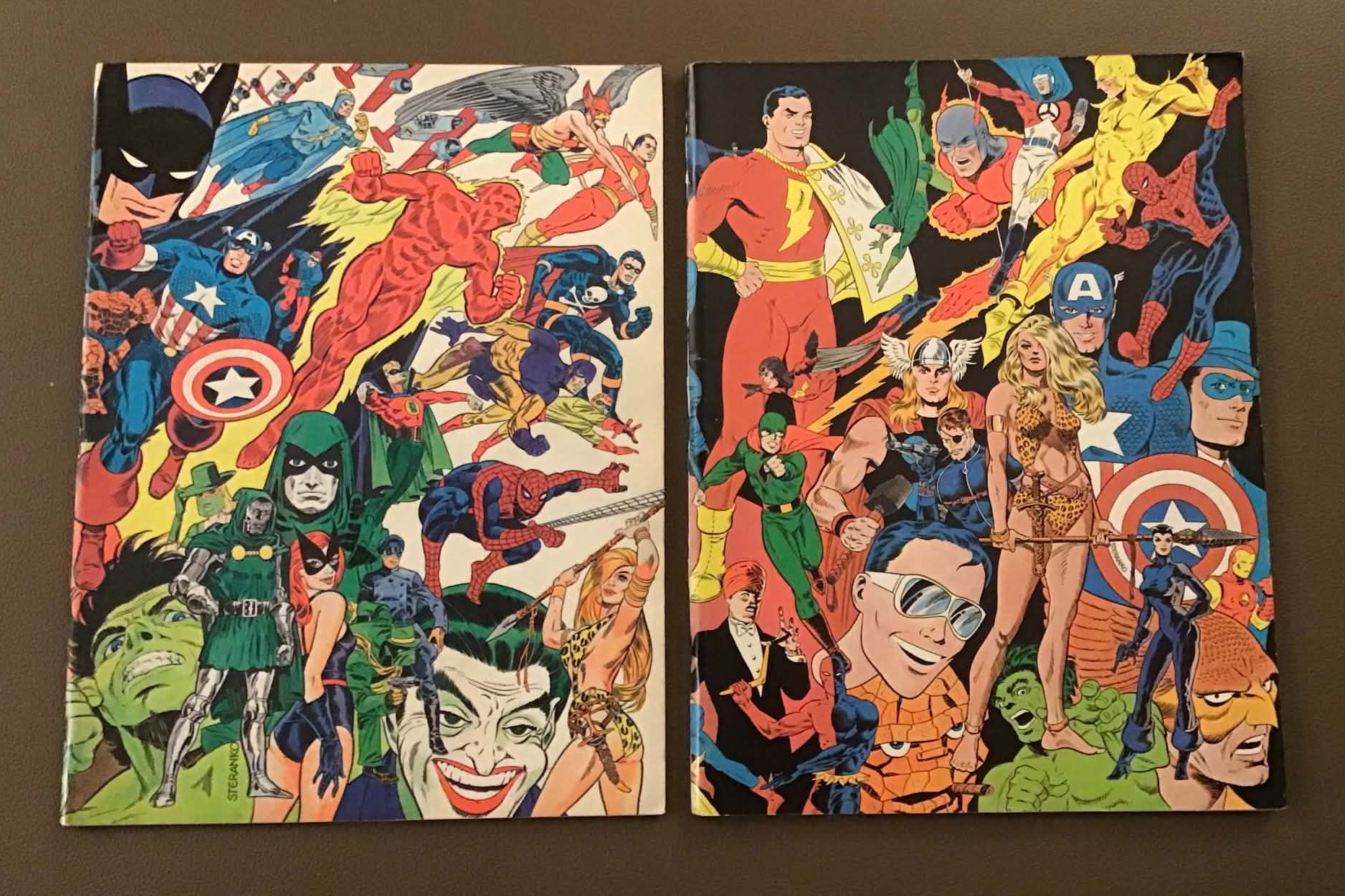
If I say “comic book superhero” who do you think of? Superman? Iron Man? Batman? Wonder Woman? Spider-Man? Captain Marvel? (The real one please, and don’t give me any of this “Shazam” crap.) Those and many others are all perfectly legitimate choices, of course, only they’re not really heroes — super or otherwise — are they? They’re adolescent daydreams, and no matter how dark or gritty they have gotten in the years since their shiny Golden or Silver Age peaks, they’re still characters with “secret identities” running around in silly costumes doing things that no actual person could ever do — or probably would even want to. (In the words of the immortal Will Eisner, “I never understood why the hell anyone would run around fighting crime.”)
That’s not a knock on the members of the Justice League or the Avengers, and when I was a kid, I loved superhero comics; in fact, I still do, but then I love all kinds of comic books — science fiction, humor, horror, romance (Patsy Walker, anyone?) — back in the day, I read them all.
One of my favorite genres was war. Now, with all due apologies to Sergeant Fury and his Howling Commandoes, I was a DC guy, which meant that during my Silver and Bronze Age heyday, I was reading stories that were somewhat more realistic than what Marvel was offering at that time, even taking the Haunted Tank and Dinosaur Island into account. (“Comic book realism” is a tricky term, as we all know.)
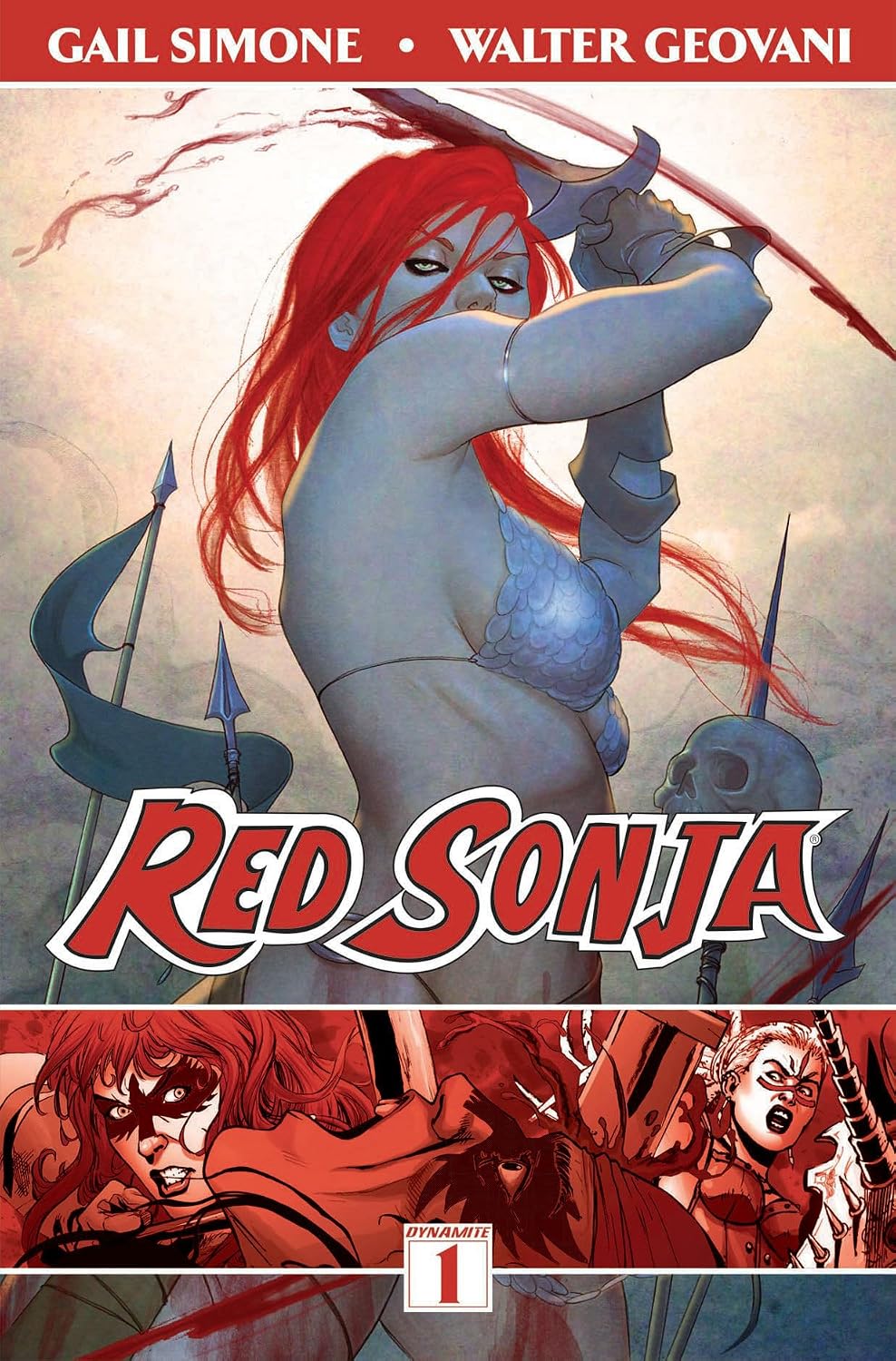
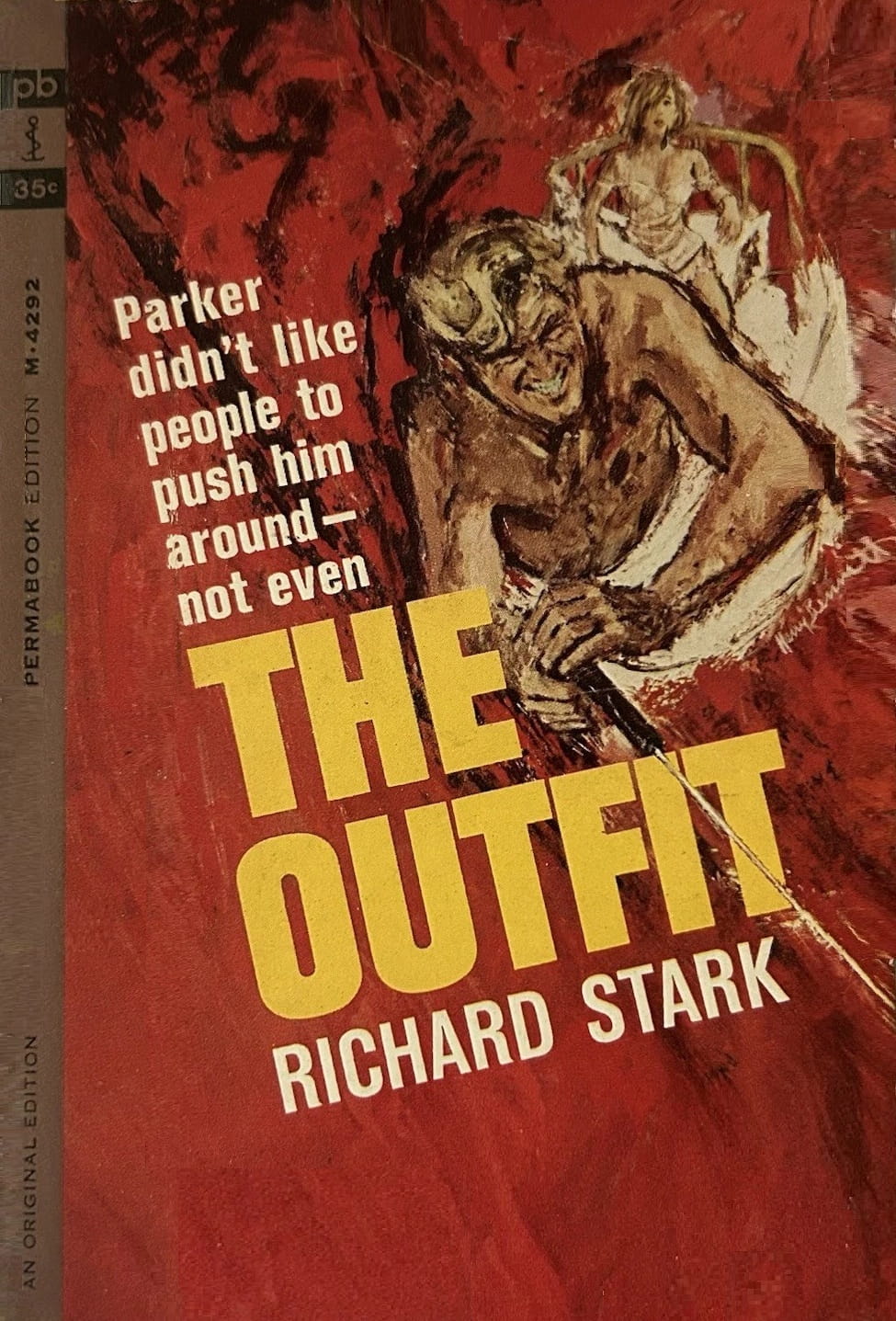
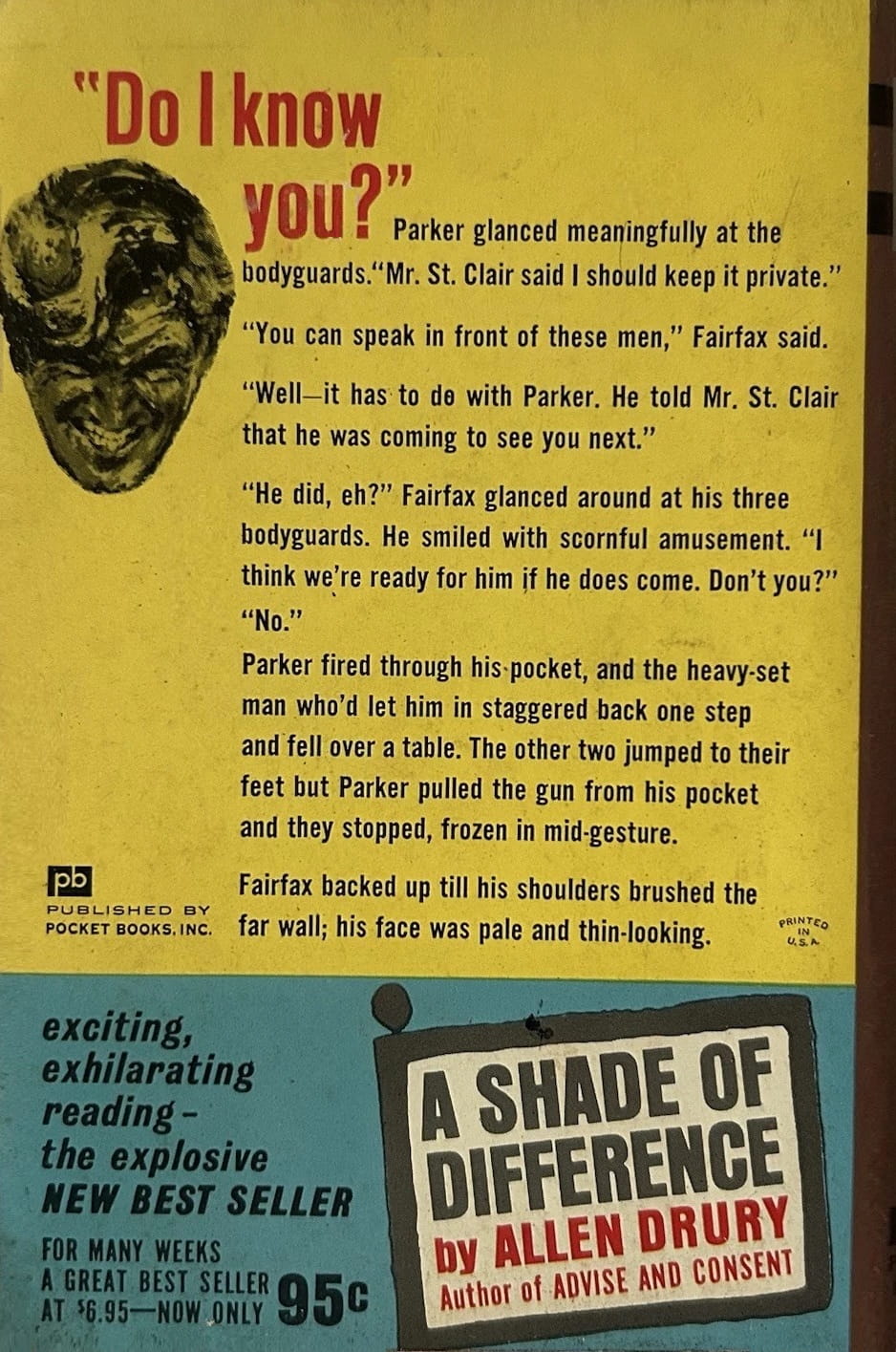
All 16 original series Parker Novels by Richard Stark in 15 paperbacks (Avon and Berkely editions). Deadly Edge is a double volume also containing The Sour Lemon Score
This week we kick off an occasional new series of reviews of the Parker crime novels by Richard Stark.
If you know Parker, you understand. If you aren’t familiar with him, trust me: You are in for a treat.
In installment two, I’ll explain why he’s worthy of being discussed in this august forum.
But first, let’s chat a bit about the character, his creator, and why he matters.
Our wide-ranging interview with the legend Jonathan Maberry continues as the award-winning author discusses how Black Panther not only changed his life, but led to one of the most rewarding opportunities any writer could ask for.
I was chosen to write Black Panther because of my childhood and what happened with that.
I grew up in a really terrible neighborhood in Philadelphia called Kensington. If you look up the worst neighborhoods in Philadelphia, it’s still the number one worst neighborhood of Philadelphia.
If a black family moved into Kensington they would be firebombed. That’s the kind of neighborhood it was. It was appalling. My father ran the local chapter of the KKK and that was the environment I was born into. It was an early issue of Fantastic Four when they introduced T’Challa the Black Panther that began splitting me away from my father’s viewpoints and made me question all the things that he said Black people were incapable of doing.
“You’re the second guy I’ve met within hours who seems to think a gat in the hand means a world by the tail.”
– Raymond Chandler
Spider-Noir is the best thing to happen to Marvel streaming since…well, Daredevil: Born Again. So yeah, not that long ago. I’ve only watched the first three – of eight – episodes so far. Because this is too good to binge. It should be savored. It may not be everybody’s cup of tea, but I LOVE that it’s an homage to hardboiled Pulp and Noir. Which you might know I blog about once in awhile…
No spoilers here (if I can help it). I just wanna talk about the Noir vibe a bit. I’ll do a full blown post after I watch it all (and when some spoilers will be okay). These folks absolutely know their source material. And I’m talking about Pulp, not Marvel.
A little Spider-Man Noir history first. The character appeared in a short comic book run in 2009, which I had certainly never heard of. But I’m not a comic book guy.
Then, back in 2018, the first of the animated Spider-Verse movies came out, with Miles Morales as the main Spider-Man. In the same scene with Spider-Ham (he still cracks me up), Peter and Miles meet a Nicholas Cage-voiced Spider-Man Noir. He has a few scenes after that.
A few of the many comics Gerry Conway wrote for Marvel over his long career: Amazing Spider-Man #129, first appearance of the Punisher, illustrated by Ross Andru, October 30, 1973; Tomb of Dracula #1, illustrated by Gene Colan, November 16, 1971; and Peter Parker, The Spectacular Spider-Man #1, illustrated by Sal Buscema and Mike Esposito, September 28, 1976. Cover art: Gil Kane & John Romita, Neal Adams & Sam Rosen; Sal Buscema
Having ‘come into’ comics as a child in the very early 80s, the Bronze Age of Marvel was probably the genre-defining era for me.
And given my dual penchant for Spider-Man and The X-Men, that meant that the two most defining voices of the Bronze Age were Gerry Conway and Chris Claremont.
I grew up reading a lot of Gerry’s writing some 8-10 years after he originally wrote it and I always found it more centered and engaging than most of what was on the newsstands in the mid-late 80s. He had an amazing sense of earnestness when it came to depicting the inner workings of his characters and his voice was seminal in the fragile humanization of many superheroes that went hand in hand with the decade of the Bronze Age.
Superman/Tarzan: Sons of the Jungle, issue 1 (Dark Horse, October 2001). Cover by Humberto Ramos
From Dark Horse Comics and DC comes Superman Tarzan: Sons of the Jungle, written by Chuck Dixon with interior art by Carlos Meglia. Cover art on the original issue covers was by Humberto Ramos.
This is a 3-issue comic arc that riffs off the original Tarzan story by Edgar Rice Burroughs. The mutiny aboard The Fuwalda takes place as usual, which is the start of Edgar Rice Burrough’s 1912/1914 serial/novel Tarzan of the Apes.
Bigfoot: Sword of the Earthman Volume 1, collecting issues 1 – 6 (Action Lab Entertainment, August 2, 2016)
Dipping back into the Sword & Planet genre, here’s one of the odder items I have. Bigfoot: Sword of the Earthman, subtitled “The Galaxy’s Greatest Action-Adventure Hero.” As far as I can tell, Josh Henaman is the writer, with Andy Taylor (Penciller), Tamra Bonvillain (Colorist), and Adam Wollet (Letterer).
This is a graphic novel collecting the first six issues of the story. I bought this because it was billed as sword & planet set on Mars, and featuring Bigfoot. It mostly was, although not quite what I was hoping it might be.
Kamandi, The Last Boy on Earth by Jack Kirby (DC Comics,
October 1972 and February 1973). Covers by Jack Kirby
Kamandi, The Last Boy on Earth, written and illustrated by Jack “King” Kirby (1917-1994), has long been an inspiration to my creative works. The tone, the setting, the characters and creatures — pure brilliance. Highly recommended.
Kamandi #16 is a fascinating issue. An ape doctor who encounters Kamandi knows of Cortexin, the chemical which stimulated evolution and intelligence in animals and turned them into parahumans. The Last Boy on Earth discovers more about the post-cataclysmic Earth, in which men have devolved to beasts, and beasts have evolved to higher intelligence.
I’ve posted before that Fortnite is my kind of shooter. Fast-paced, high action games like Marvel Rivals, and Call of Duty, aren’t fun for me. And I pretty much just die. Fast and often. I’d rather go play a Solo RPG or something. I had been stuck since finishing Grim Dawn (which I wrote about here). I tried a couple games, including getting into Red Dead Redemption II (which I like, it just hasn’t grabbed me like LA Noire did). I false-started a half dozen games.
My son likes Star Wars: Battlefront II, which I briefly tried. Died repeatedly. Quit. But I decided to give it another go. It’s got a single player campaign mode, with multiple missions, as well as a few other solo options. But it was developed as a Multiplayer shooter, reminiscent of Team Fortress 2.
There was a huge controversy upon release in 2017, regarding micro transactions, and Electronic Arts stopped new content and support, in 2020. But the game has had a couple of resurgences and hit an all-time high in concurrent players last Summer. The game is what it is, and there’s a lot of content for the frequent $3.99 sale price.